
Foods to Avoid with Braces: A Practical Guide for Kids and Parents
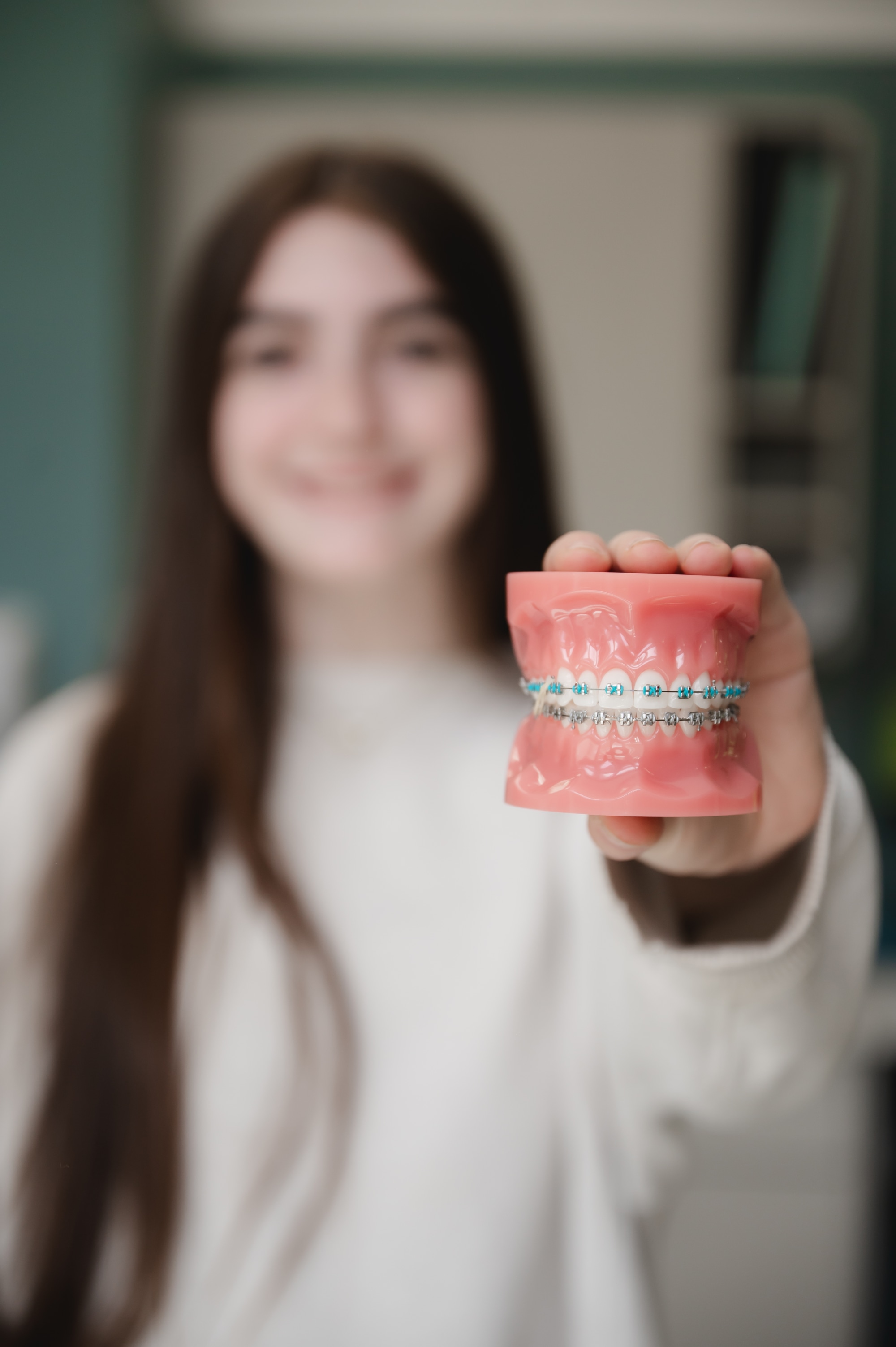
The First Few Weeks With Braces: What to Eat and What to Expect
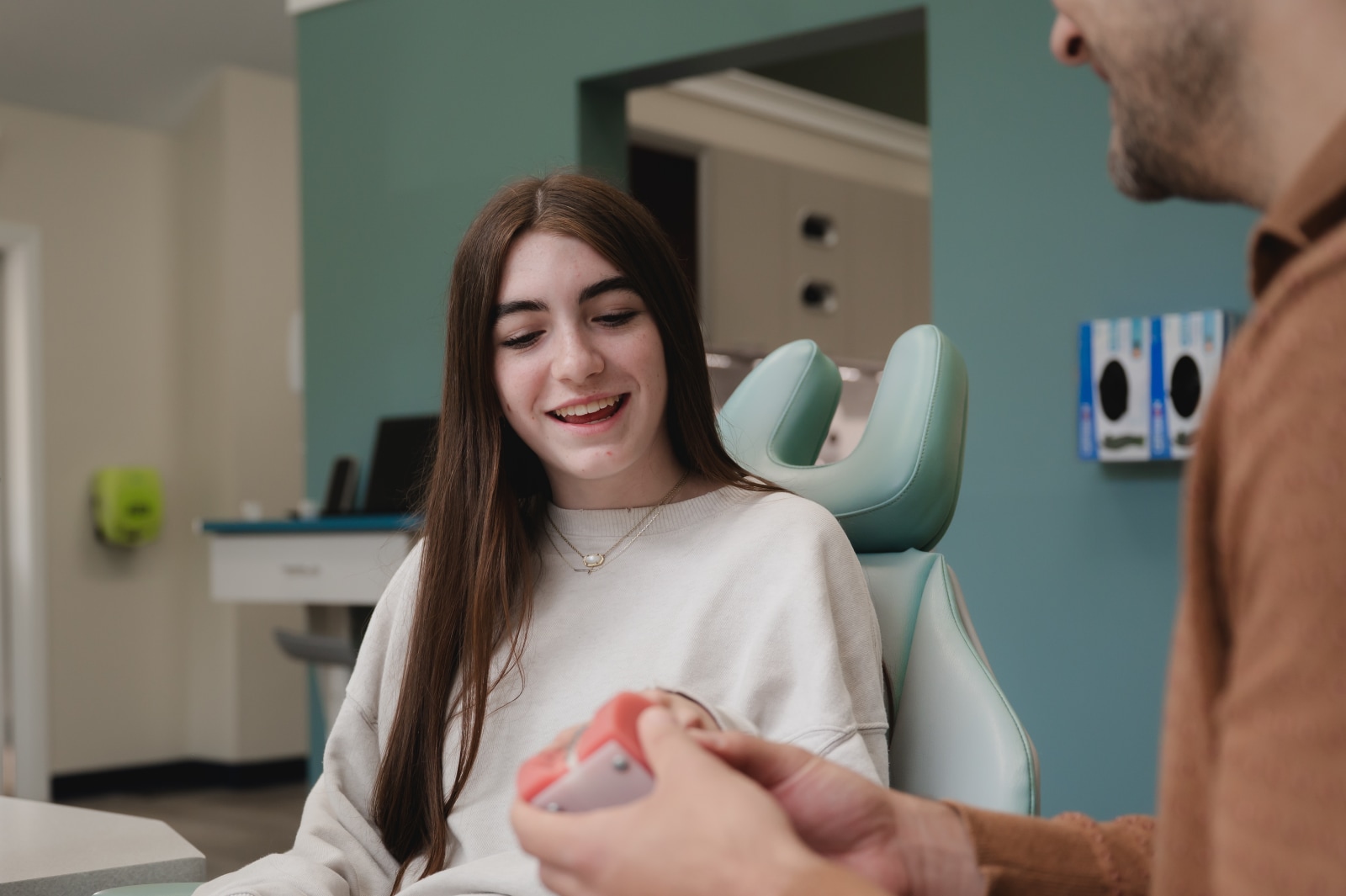
The first few days with braces often require a little adjustment, especially when it comes to meals. Foods your child normally eats without thinking may suddenly feel uncomfortable, and it can take some trial and error to figure out which options work best while their teeth are sore.
Fortunately, the adjustment is usually temporary. The main foods to avoid fall into two categories: hard foods that can damage brackets and wires, and sticky or chewy foods that can become trapped in orthodontic appliances. With a few changes to how food is prepared and served, most children can continue enjoying a varied diet throughout treatment.
At River Orthodontics, Dr. Hernandez helps children and families understand what to expect with braces, including how to protect their appliances and manage the early adjustment period. Knowing which foods to choose and which to avoid can make the transition easier for everyone.
Quick Takeaways
- Avoid hard foods that can loosen brackets or damage orthodontic wires.
- Sticky and chewy foods can become trapped around braces and make cleaning more difficult.
- Cutting firm foods into smaller pieces can make many everyday favorites easier to eat.
- Soft foods are especially helpful during the first few days, when teeth may feel tender.
- Follow your orthodontist's instructions for your child's specific appliances and contact the office if a bracket or wire becomes damaged.
Which Foods Can Damage Braces?
Understanding why certain foods are discouraged can make it easier to help your child follow the guidelines. Brackets are attached to the teeth with dental adhesive designed to withstand normal chewing. However, biting into something particularly hard can place excessive force on an individual bracket, potentially loosening it or damaging the orthodontic appliance.
Hard foods to avoid include:
- Ice, especially when chewed
- Whole apples or other firm fruits bitten into directly
- Raw carrots and other hard vegetables eaten in large pieces
- Hard pretzels and similarly crunchy snacks
- Popcorn, including kernels and hard hulls
- Crusty bread and hard rolls
- Whole nuts and other very hard foods
A loose bracket or damaged wire may require an additional orthodontic appointment. Depending on the problem and how long it takes to address, the damage can also interfere with the planned progression of treatment.
The goal isn't to eliminate every crunchy food from your child's diet. Many can still be enjoyed with some preparation. Slice apples into manageable pieces, cut firm vegetables into smaller portions, and choose softer alternatives when a food is particularly hard.
Why Sticky and Chewy Foods Are Also a Problem
Hard foods can damage braces through direct force, while sticky foods create a different challenge. Caramel, taffy, gummy candy, fruit snacks, and certain chewy granola bars can cling to brackets and wires, making them difficult to remove during brushing.
Food trapped around orthodontic appliances can contribute to plaque buildup. If plaque remains on the teeth, the risk of cavities and enamel damage increases. Poor cleaning around brackets can also contribute to white spots on the enamel, which may remain visible after braces are removed.
Sticky and chewy foods to limit or avoid include:
- Caramel and taffy
- Gummy candies and fruit snacks
- Chewy sweets that cling to teeth
- Sticky granola bars
- Chewy foods that place excessive force on brackets, including certain bagels and dense breads
A useful guideline is to consider whether a food is likely to pull on the brackets, become wrapped around the wires, or remain difficult to clean away. Your orthodontist can provide more specific recommendations based on the type of braces your child wears.
What Can Kids Eat With Braces?
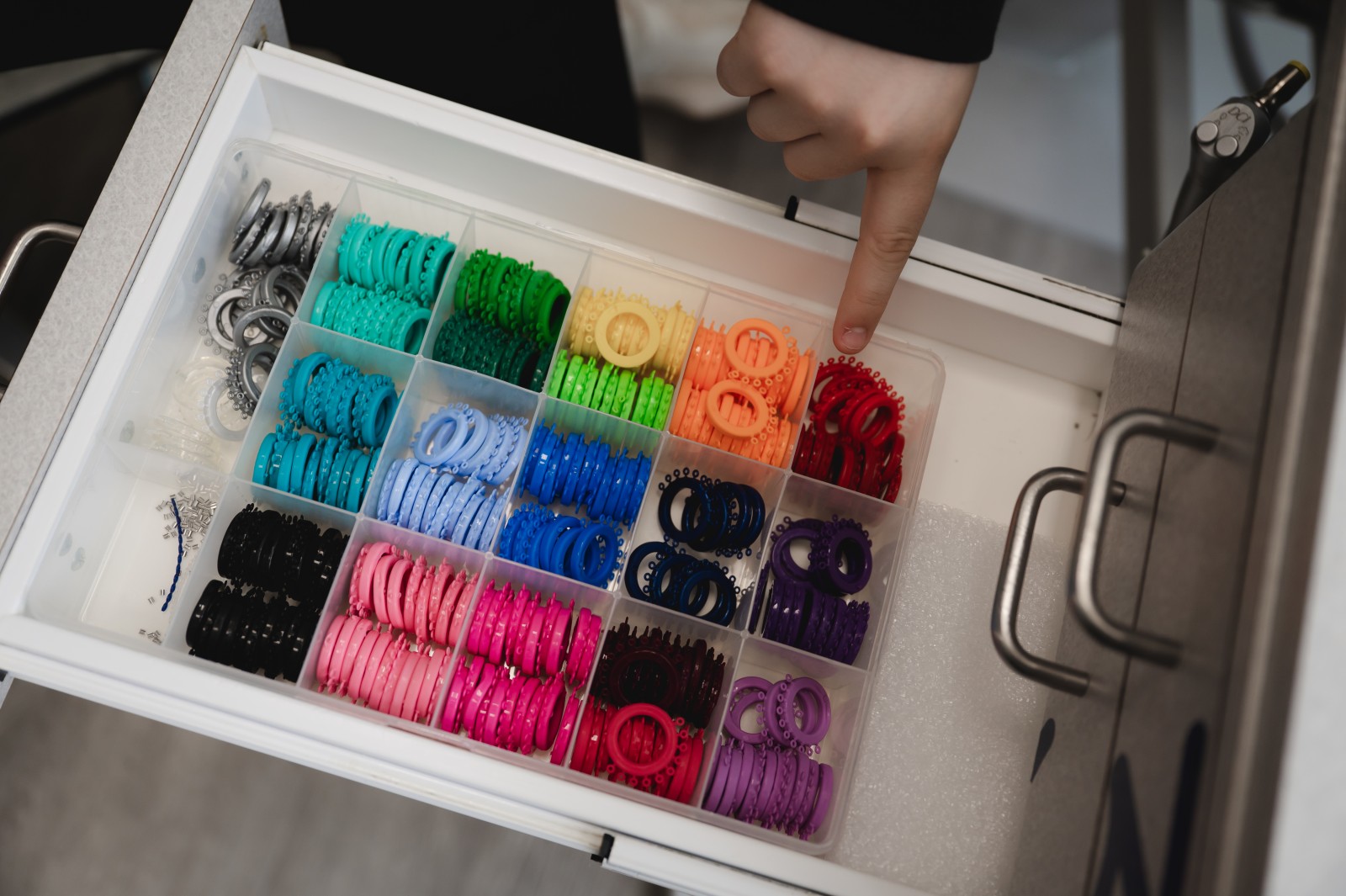
The good news is that braces don't require a completely different diet. Many familiar foods remain suitable, and small changes to preparation can make a substantial difference.
For example, apples may be easier to eat when sliced rather than bitten into whole. Carrots and similar vegetables can be cooked until tender or cut into smaller pieces. Soft sandwich bread is generally a better choice than a hard, crusty roll, and soft pretzels are preferable to hard pretzels.
Foods that are often easier to manage with braces include:
- Grains: Pasta, rice, oatmeal, and other soft grains
- Eggs: Scrambled, boiled, or prepared in another soft texture
- Fruit: Bananas, berries, melon, and sliced soft or prepared fruit
- Vegetables: Cooked vegetables or firmer vegetables cut into small pieces
- Protein: Fish, ground meat, beans, and other tender proteins
- Dairy: Cheese, yogurt, and other soft dairy foods
- Other options: Smoothies, soups, and soft casseroles
Your child should still aim for a balanced diet that provides the nutrients needed for growth and general health. If chewing is uncomfortable, choosing softer versions of familiar meals can help maintain variety without putting unnecessary pressure on the teeth.
Soft Foods for the First Week With Braces
The first several days after braces are placed are often the most uncomfortable. Teeth may feel tender when biting or chewing as they respond to the orthodontic forces. Some irritation from brackets and wires may also occur as your child gets used to having them in place.
During this period, softer foods can make meals more comfortable. Consider options such as:
- Scrambled eggs
- Mashed potatoes
- Soft pasta or macaroni and cheese
- Yogurt and smoothies
- Warm soup
- Oatmeal
- Soft fish that can be flaked into small pieces
Choose foods that your child can eat comfortably, and avoid anything that requires forceful biting or extensive chewing while the teeth are tender.
Discomfort generally improves over the first several days, although the timing varies from person to person. Tenderness may also return temporarily after orthodontic adjustments. If pain is severe, persists longer than expected, or makes it difficult for your child to eat or drink adequately, contact your orthodontist for advice.
Preparing a few soft meals before the first appointment can make those initial days easier to manage. It also gives your child some familiar options while they adjust to the feeling of their new braces.
Helping Your Child Adjust to Food Restrictions
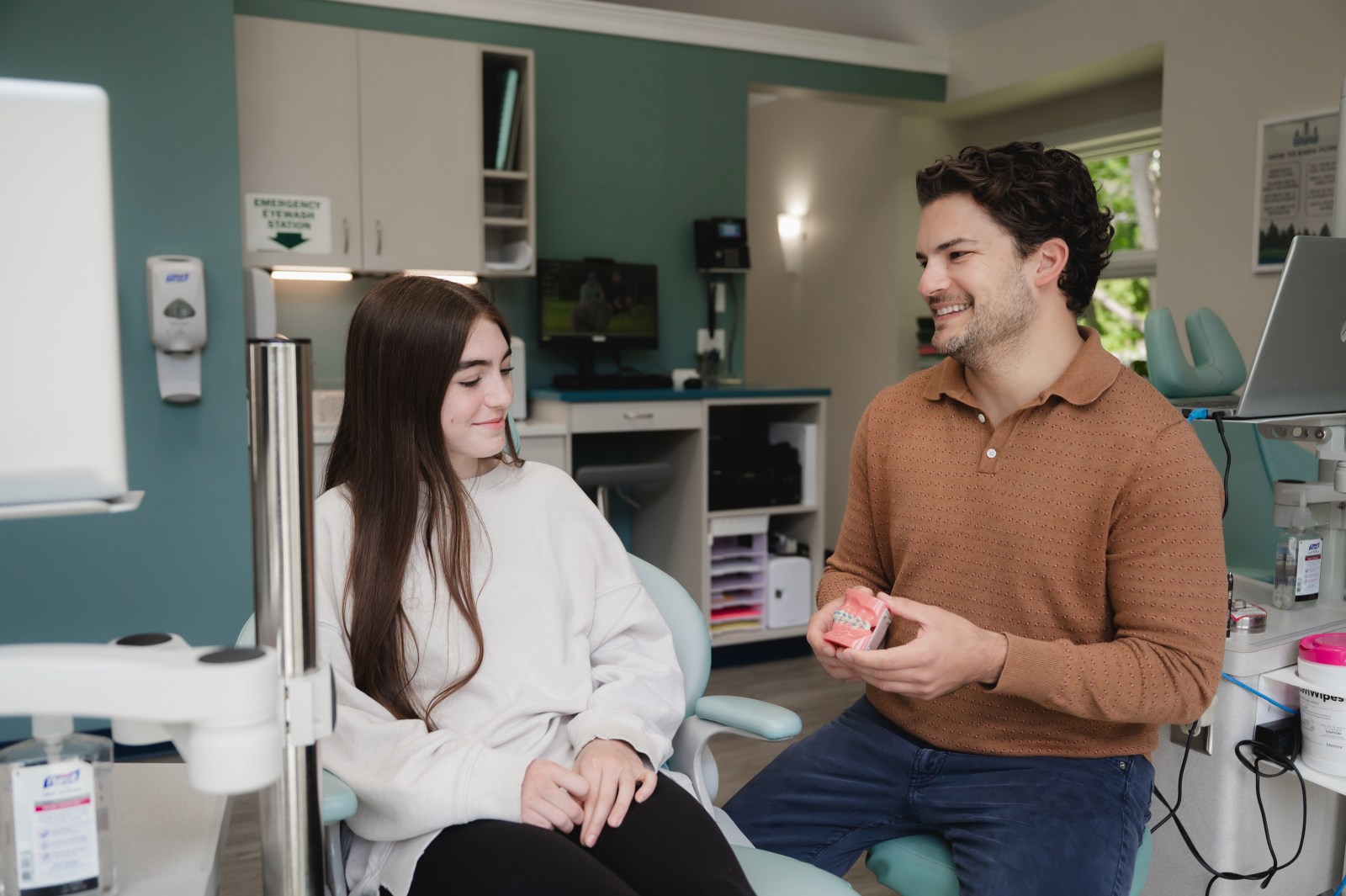
Children may feel frustrated when familiar snacks and favorite foods are suddenly off-limits. Explaining the reasons for these restrictions can help them understand that the guidelines are intended to protect their braces and support treatment.
A few practical approaches can make the adjustment easier:
- Plan meals together. Let your child help choose soft foods and braces-friendly snacks before treatment begins.
- Focus on alternatives. Instead of simply saying no to a favorite food, suggest a version that is easier to eat safely.
- Explain the purpose. Help your child understand that avoiding certain foods can reduce the risk of broken brackets and unexpected appointments.
- Keep the restrictions in perspective. Many foods can still be enjoyed with small changes to how they are prepared.
It's also helpful to establish good oral hygiene habits early. Brackets and wires create additional areas where food and plaque can collect, so brushing carefully and following your orthodontist's cleaning recommendations are particularly important.
Most children become more comfortable eating with braces as they adjust to the appliances. A little planning at the beginning can help make the transition smoother without turning every meal into a negotiation.
Follow the Food Guidelines for Your Child's Specific Braces
General food lists are useful, but your orthodontist can explain which precautions matter most for your child's particular appliances and stage of treatment. Recommendations may vary depending on the type of braces and any additional components being used.
During appointments, ask your orthodontic team to review foods to avoid, demonstrate how to manage common problems, and explain what to do if a bracket loosens or a wire becomes uncomfortable.
If a bracket breaks or a wire shifts, contact the orthodontic office for instructions rather than waiting until the next scheduled visit. Avoid trying to repair the appliance yourself, and follow the team's guidance on whether an earlier appointment is needed.
River Orthodontics provides information about its types of braces and what patients can expect during treatment. If your child is preparing to start orthodontic care, the team can also discuss eating habits, oral hygiene, and other practical questions during the initial visit.
You can contact either office to learn more:
- New Boston: 52 High Street, New Boston, NH
- Merrimack: 27 Loop Road, Merrimack, NH
- Phone: (603) 424-1199
Making the Adjustment Easier
The first few weeks with braces involve some changes, but most families find that eating becomes more manageable as children get used to their appliances. Avoiding hard and sticky foods, preparing certain meals differently, and choosing softer options when teeth are tender can help prevent common problems.
If your child is about to start treatment, River Orthodontics can explain what to expect and answer questions about caring for braces at home. Call (603) 424-1199 to learn more or schedule an appointment.
Your stunning smile awaits!
Call 603-424-1199 or request an appointment below to set up your first visit. We’ll be in touch soon.
